How to use this page: Bali DMC Agency is an independent buyer’s guide to Bali MICE — we are not a DMC, PCO, venue, or transport operator ourselves. A DMC manages on-the-ground logistics, venues, and transport; it is not the venue or the conference organiser. Capacities, group sizes, and budgets shown are indicative ranges flagged [VERIFY] (mid-2026) and must be confirmed in writing with the relevant supplier, venue, or broker before you commit — this is general information, not legal, tax, or procurement advice; confirm delegate visas and event permits with the appropriate authority or your notary as relevant. We may earn a referral commission when we connect you to a vetted partner, which never changes the price you are quoted.
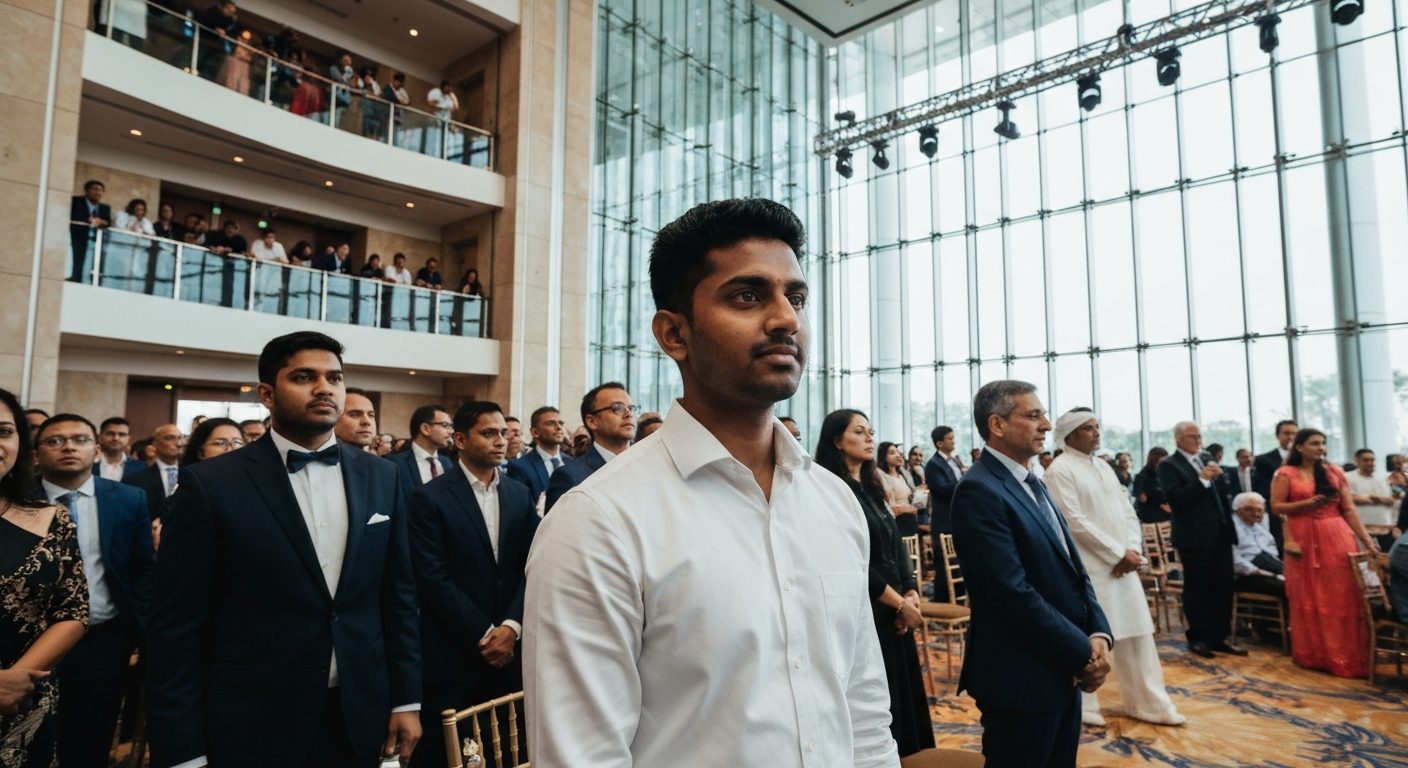
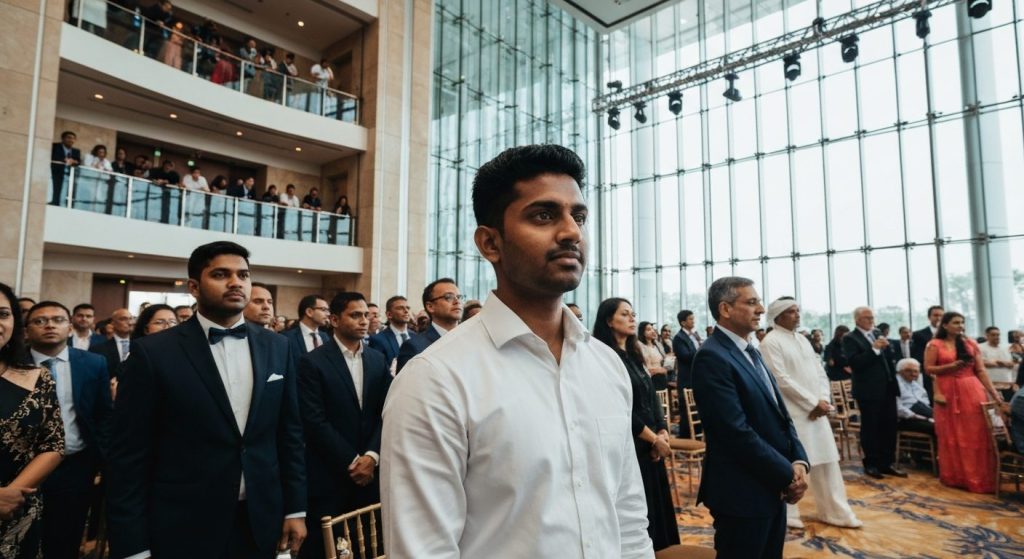
Bali MICE venues span a wider range than any single search result conveys. At one end sits the Bali Nusa Dua Convention Center (BNDCC), with its pillarless Nusa Dua Hall verified by the venue at 4,400 square metres and a theatre-style capacity of up to 5,000 delegates. At the other end are boutique resort boardrooms designed for 20 people, and every category in between — hotel ballrooms, beach clubs, cliff lawns, cultural park plazas, and Ubud’s hillside retreat venues. Picking the right space is a matching exercise, not a shortlist popularity contest. This guide organises bali mice venues by event type and headcount, then by precinct, using only verifiable or venue-issued specifications. Where figures are unconfirmed, they are flagged — not republished as fact.
What Makes a Venue Fit: The Selection Framework
Before diving into specific precincts and spaces, it helps to fix the five criteria that separate a good venue match from an expensive mistake. Planners who prioritise these early avoid the common trap of falling in love with an image before confirming whether the venue actually works for the programme.
Plenary-plus-breakout adjacency
If your event runs a main plenary alongside concurrent breakout sessions — a standard conference format from about 80 delegates upward — the distance between those spaces matters more than any headline capacity figure. A venue where breakout rooms require delegates to exit the building, cross a car park, or take a shuttle to an adjacent block creates friction that compounds across a multi-day programme. Nusa Dua’s larger convention properties are designed with adjacency in mind; BNDCC’s 44 multi-flexible function rooms (published via AIPC and industry listings, not as a headline figure on the venue’s own page — treat as an industry-sourced count) allow plenary-plus-concurrent configurations without delegate dispersal. Ubud’s boutique properties often cannot match this adjacency for groups above roughly 150.
On-site room block
The efficiency of co-locating accommodation and event space is easy to underestimate during planning and hard to recover once delegates are distributed across three hotels in different precincts. For conferences, incentive programmes and multi-day events, ask first: how many rooms does this venue hold on-site, and can you contract a block against your peak-night requirement? Nusa Dua’s hotel density gives you more room-block options adjacent to BNDCC than any other Bali precinct. Uluwatu, Canggu and Ubud offer premium properties but at lower room counts — a boutique clifftop resort with 60 keys is structurally limited for a 200-delegate conference that needs 180 rooms blocked.
Load-in window, curfew and sound limits
These three operational realities eliminate more venues than planners expect — and they are rarely in the brochure. Load-in window is the time between when the venue releases the space and when doors open to delegates; a full-production conference or gala needs a minimum of six to eight hours, more for complex builds. Curfew is the contracted hard end-time: 11 pm is common at Nusa Dua properties, midnight sometimes negotiable, and extensions beyond that are not guaranteed regardless of what was discussed informally. Sound limits for outdoor and semi-outdoor venues are imposed by regency rules (Badung governs most of the south coast), proximity to residential areas and temples, and the venue’s own noise clearance — a beach club’s standing permit for its nightly bar programme does not automatically extend to your 800-person buyout. Confirm all three in writing, before finalising the programme.
Accessibility and transfer time from DPS
Ngurah Rai International Airport (DPS) processed approximately 24 million passengers in 2024 — effectively at its stated nominal capacity — and is located on the southern isthmus near Tuban, Kuta and Jimbaran. The transfer from DPS to Nusa Dua is roughly 12 to 15 kilometres by road via the Bali Mandara Toll, typically 20 to 30 minutes in normal traffic (mapping-derived, approximate — peak periods and school or festival dates extend this materially). Ubud sits approximately 35 to 40 kilometres north of the airport, a journey that ranges from 60 minutes in low traffic to two hours or more during peak periods. Uluwatu is close to the airport geographically but road conditions on the Bukit peninsula mean journey times vary. For arrival logistics on groups of 80-plus delegates, transfer time compounds across multiple coaches and staggered flight arrivals — see the group transport and logistics guide for the full picture.
AV and production readiness
Not all venues are equally ready for a production-grade event. A purpose-built convention hall will have pre-rigged lighting bars, stage power distribution, acoustic treatment and blackout capability built into its infrastructure. A beach club is essentially an outdoor hospitality space: you bring power, you bring staging, you bring sound, and you work within the noise limits and the layout the space dictates. The correct question is not whether a venue is good but whether it is the right production starting point for your specific brief and budget.
Bali MICE Venues by Headcount Band
| Headcount band | Venue category that fits | Precinct options | Key constraint |
|---|---|---|---|
| Up to 30 (boardroom/workshop) | Boutique resort meeting room; private villa | Ubud, Seminyak, Canggu, Uluwatu | AV readiness; catering licence at villas |
| 30–150 (mid-size meeting or incentive) | Hotel meeting room; small ballroom; retreat venue | Nusa Dua, Seminyak, Ubud, Jimbaran | Room block adjacency; breakout options |
| 150–500 (conference or incentive group) | Hotel ballroom; resort convention space | Nusa Dua primarily; Seminyak tier | Plenary–breakout adjacency; sound rigging |
| 500–2,000 (large conference or gala) | Convention hall; large resort ballroom; cultural park | Nusa Dua (BNDCC); GWK for outdoor | Load-in window; AV exclusivity; curfew |
| 2,000–5,000+ (convention or mass event) | BNDCC Nusa Dua Hall (venue-verified up to 5,000 theatre); GWK Lotus Pond (multi-source, up to 7,000 cited) | Nusa Dua; GWK Cultural Park, Ungasan | Dedicated logistics plan; police permit likely; confirm capacity with venue for your configuration |
All capacity figures above must be confirmed against your specific setup and configuration with the venue. This table describes category fit, not guaranteed pax ceilings. Outdoor venues in particular are highly configuration-dependent.
Nusa Dua: The Convention Precinct
Nusa Dua is where Bali’s largest bali conference venue capacity sits, and for most large-format conference and convention buyers it is the obvious starting point. The precinct combines the densest concentration of international hotel room blocks on the island, purpose-built convention infrastructure, and the proximity benefits of the Bali Mandara Toll connection to DPS.
Bali Nusa Dua Convention Center (BNDCC)
BNDCC is the facility most often cited when buyers ask about a bali convention center. Its largest hall is the Nusa Dua Hall — pillarless, 4,400 square metres, with a verified venue-issued theatre-style capacity of up to 5,000 delegates. That specification comes from the venue’s own Facts & Figures page, corroborated by AIPC and Meetings Show APAC listings. It is the only BNDCC capacity figure this guide will state as verified.
BNDCC is described in industry listings as having 44 multi-flexible function rooms. That figure is published via AIPC and industry sources rather than as a headline specification on the venue’s primary page — treat it as an industry-sourced count to confirm with the venue for your programme rather than a hard specification. The total function space in square metres for the BNDCC complex is not published as a single official figure from a primary source; third-party figures circulating online conflate function space with garden and site area, and this guide will not republish them as fact.
One clarification worth making explicitly: BNDCC was not purpose-built for a specific named summit. No official primary source states this. The facility that was purpose-built for a summit is a different building entirely.
Bali International Convention Center (BICC) at the Westin
The Bali International Convention Center at the Westin Nusa Dua is a distinct facility from BNDCC, and the two are regularly conflated in buyer research. BICC was built for the 1992 Non-Aligned Movement Summit — that is verified via Wikipedia and widely confirmed. It sits within the same Nusa Dua precinct and offers convention-grade infrastructure including banquet-capable spaces. Specific room configurations and current capacities must be requested directly from the venue; this guide does not publish figures that are not independently verified from a neutral source.
For buyers who need the credibility of Nusa Dua’s proven track record — the G20 Leaders’ Summit was held in Nusa Dua in November 2022, and the IMF–World Bank Annual Meetings took place there in October 2018, both verified facts — BNDCC and BICC together represent the anchor of that infrastructure. Room-by-room allocation for those summits is not publicly documented in a verified source, and this guide does not invent it.
Ready to scope a Nusa Dua venue search? Reach the team via our enquiry form or on WhatsApp at +62 811 2859 0000 — we route qualified briefs to a vetted local partner who negotiates directly with venues.
Ubud: Retreat, Workshop and Incentive Venues
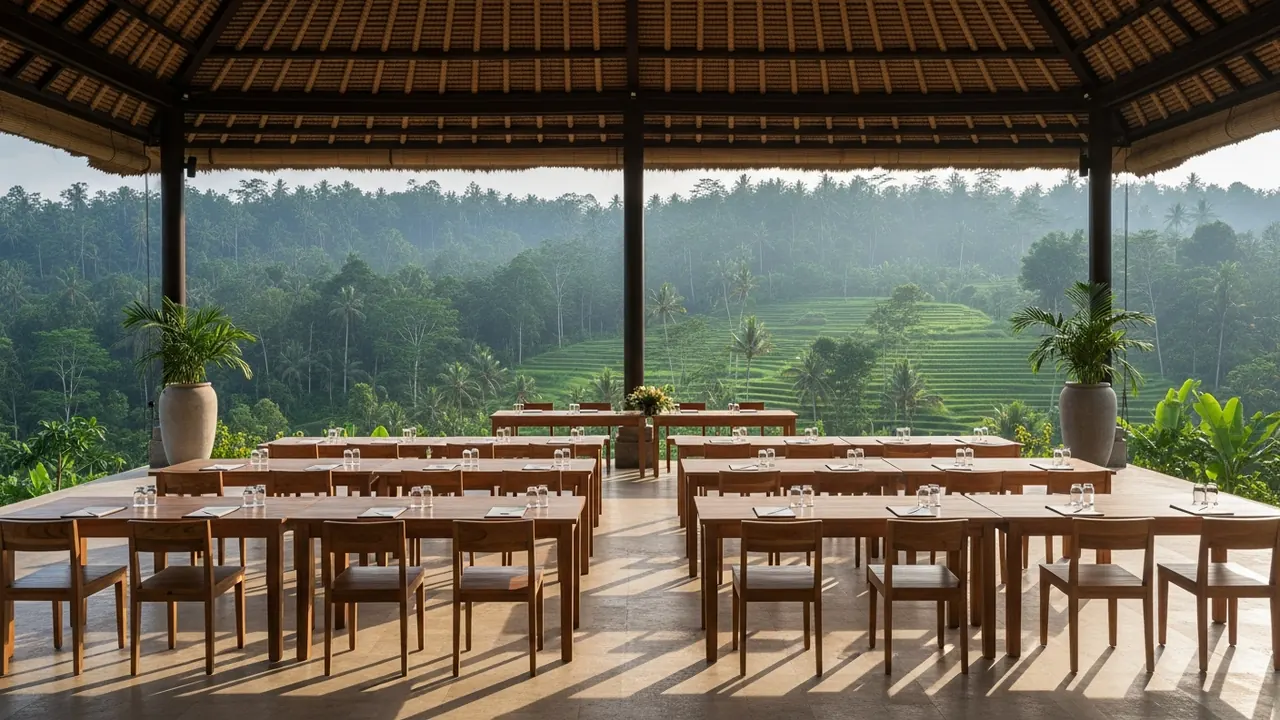
Ubud occupies a different position in the nusa dua ubud seminyak venues landscape than its cultural reputation suggests. The precinct’s strengths for MICE are specific: intimate retreat-style events, executive leadership programmes, wellness-integrated incentive formats, and small conferences where the environment itself is part of the delegate experience. Rice terrace views, forest settings, open-air pavilions with natural ventilation, and a genuine cultural programme (cooking classes, traditional arts, temple walks) make Ubud a strong incentive destination for groups of roughly 20 to 120 people.
The limitations are equally specific and worth stating clearly. Transfer time from DPS runs 60 to 90 minutes in normal traffic — a planning reality for arrival day logistics on large groups across multiple flights. Room counts at Ubud’s premium properties are modest by Nusa Dua standards; a property with 40 keys is not unusual in the boutique tier, which structurally limits the self-contained room block you can build without distributing delegates across multiple properties. Plenary hall capacity in the several-hundred-delegate range is not Ubud’s strength. And the road network, while improving, imposes coach-logistics constraints that Nusa Dua does not.
For an executive incentive programme of 30 to 80 people where the objective is deep engagement and cultural immersion rather than a large plenary, Ubud frequently outperforms Nusa Dua on delegate satisfaction. For a 400-delegate international conference with concurrent breakout tracks, it does not. Match the precinct to the objective.
Uluwatu and Jimbaran: Cliff and Coastal Event Venues
The Bukit peninsula south of the airport — particularly the Uluwatu and Jimbaran coastline — is home to several of the cliff and beach venues most frequently cited for incentive closing nights and gala receptions. Savaya Bali (formerly Omnia) sits on a limestone promontory. Karma Kandara combines a clifftop lawn with beach access. AYANA’s oceanfront lawns and the Rock Bar carry a setting that photographs in a way no ballroom can replicate.
This guide does not publish event-mode pax capacities for any of these venues. No independently verified, neutral-source figure exists for any beach club or cliff venue in Bali in event-buyout configuration. Numbers appearing in agency pitch decks and venue marketing — “up to 800,” “1,500 standing,” “3,000 pax” — are estimates or marketing figures, not independently confirmed specifications. If you need a capacity figure to make a decision, request it in writing from the venue and treat it as the venue’s own representation.
What you can reliably expect by type: these spaces are configured more naturally for standing cocktail receptions than for full plated-service seated dinners. A gala dinner in seated banquet format at a cliff or beach venue requires a significant production layer — flooring, tenting where required, power distribution, kitchen logistics for plated service, sound rigging — that sits outside the venue hire fee. Noise end-times and sound-level restrictions are enforced; outdoor amplified events on the Bukit require careful advance coordination with the venue on what its existing permits cover. See the permits and visas page for the fuller picture on outdoor event clearance.
Transfer time from Nusa Dua’s hotel belt to Uluwatu venues varies with traffic but runs roughly 30 to 50 minutes. For large incentive groups moving in convoy, factor in the coach queue logistics at the venue drop-off point — cliff venues on narrow roads have real throughput constraints at arrival.
Seminyak and Canggu: Beach Clubs and Mid-Tier Conference Hotels
Seminyak sits closer to central Bali’s tourism belt and offers a different set of nusa dua ubud seminyak venues trade-offs. Transfer from DPS is typically 20 to 40 minutes depending on traffic — shorter than Ubud, comparable to Nusa Dua via the toll road in normal conditions but slower during the heavy Seminyak congestion that occurs in peak season. The precinct’s event strengths are concentrated in two areas: mid-tier conference hotels with ballroom space suitable for groups up to roughly 250 to 300 people, and beach clubs that work well for incentive reception events.
Potato Head Beach Club in Seminyak is one of the most recognisable beach venues in Asia for incentive events and evening receptions. As with all beach clubs in this guide, no independently verified event-mode headcount is published here — capacities must be confirmed in writing with the venue. The space is more naturally configured for cocktail-style events than seated dinners at scale.
Canggu, further north along the coast, hosts Finns Beach Club and Atlas Beach Club, both of which have been used for large corporate events. Canggu’s transfer time from DPS runs longer than Seminyak’s and is more vulnerable to the traffic congestion that characterises the Bali bypass corridor. For large groups arriving at DPS and heading straight to a Canggu welcome reception, the logistics window is tighter than it appears on a map.
GWK Cultural Park: Large-Format Outdoor Events
Garuda Wisnu Kencana Cultural Park in Ungasan — approximately 60 hectares of karst terrain at around 263 metres above sea level, roughly 10 to 15 minutes from DPS — is the venue referenced most often when buyers need a very large outdoor event space in Bali. Its primary event area is the Lotus Pond plaza, conventionally cited at up to 7,000 people across multiple sources including Wikipedia and event industry listings. The area figure of approximately 4,400 square metres for the Lotus Pond comes from a single source and should be treated as indicative rather than confirmed — verify directly with GWK for your configuration. The GWK statue stands at approximately 121 metres (some older sources state 150 metres, which was the planned figure; 121 metres is the completed height).
GWK also has an amphitheatre, conventionally cited at approximately 800 seats. That figure is effectively single-source — use it as a working estimate to verify with the venue, not as a specification. Additional spaces within the park (Exhibition Hall, Plaza Wisnu, Street Theatre, Jendela Bali restaurant) have no independently verified event capacities in any source this guide has been able to confirm.
The operational reality of a large gala dinner at GWK’s Lotus Pond: it is an open-air limestone plaza with no permanent overhead cover and limited built-in production infrastructure. You bring power, staging, sound, lighting, kitchen logistics for plated service, and either a weather contingency plan or a tented cover. The site’s elevation makes it cooler and more wind-exposed than coastal Bali on dry-season evenings — not a deterrent, but a programme-design input. Load-in windows at GWK need early confirmation with the park, particularly during periods when the site carries its own cultural programming.
Venue Type Comparison: Fit at a Glance
| Venue type | Best for | Room block adjacent? | Capacity guidance | Primary constraint |
|---|---|---|---|---|
| Convention hall (BNDCC) | Large plenary + multi-breakout conferences | Yes (Nusa Dua hotel belt) | Nusa Dua Hall: up to 5,000 theatre-style (venue-verified); 44 rooms (industry-listed — verify) | Advance booking for peak dates; AV coordination |
| BICC at the Westin | Convention-grade events; adjacent room block | Yes (on-site Westin) | By quote from venue — no neutral-source spec published here | Confirm current configuration with venue |
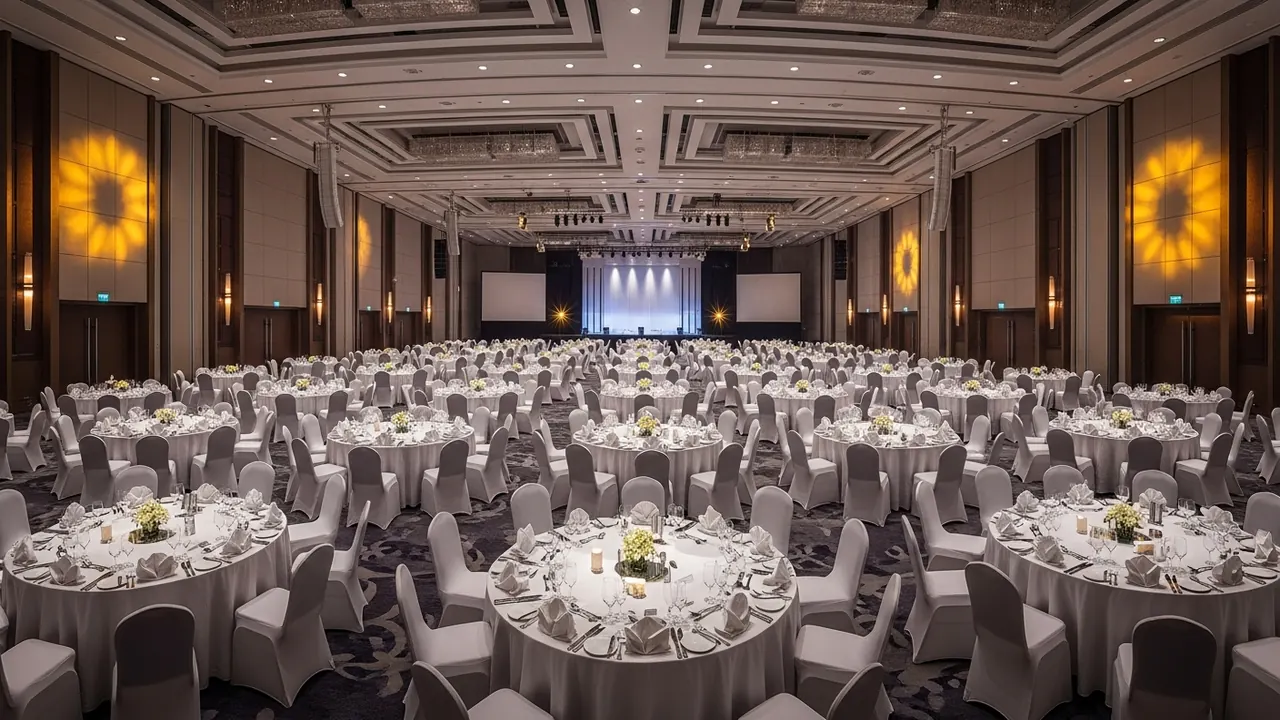
| Large hotel ballroom (Nusa Dua) | Formal dinners 100–600 pax; plenary up to ~1,000 | Yes | Venue-specific — request on brief | AV exclusivity clause; curfew hard time |
| GWK Lotus Pond | Very large outdoor galas; cultural events | No (off-site accommodation) | Up to 7,000 cited (multi-source); verify on your configuration | Production cost; weather contingency; no cover |
| Beach club / cliff venue | Incentive receptions; cocktail events; closing nights | Sometimes (resort-integrated venues) | No neutral-source capacity — request from venue in writing | Noise end-time; standing format; curfew |
| Ubud boutique resort | Executive retreats; wellness incentives; small conferences | Limited (low key counts) | Typically 20–120 (property-dependent — verify) | Transfer time from DPS; headcount ceiling |
| Seminyak / Canggu hotel | Mid-size conferences; incentive evening programmes | Partial | Up to roughly 250–300 for ballroom events — venue-dependent | Traffic logistics; noise rules |
Capacity guidance in this table is indicative only, drawn from venue-issued specs where available or from multi-source industry figures otherwise. All figures must be confirmed with the venue against your specific configuration and programme before committing budget.
Season, Peak Demand and Booking Lead Times
Bali’s dry season runs roughly from April to October; the wet season from roughly November to March. These are standard climatological ranges, not a pulled weather dataset — treat them as general knowledge and confirm for your specific dates and venue location. Outdoor events in the wet season require a credible and contractually committed contingency plan, not a plan B you hope not to need.
The dry season is also peak demand for MICE and leisure. Venue availability — particularly beach club buyout dates, premium Nusa Dua room blocks, and large ballrooms in the June-to-September window — tightens materially, and pricing can move accordingly. Book the venue before you send the delegate save-the-date, not after. For the largest events (500-plus delegates), the booking window for Nusa Dua’s major properties typically runs 12 to 18 months ahead for peak dates.
One constraint that catches planners unfamiliar with Bali: Nyepi, the Balinese Day of Silence. Approximately 24 hours of island-wide shutdown, including the airport. The date shifts annually based on the Saka lunar calendar. If your event or delegate arrivals fall within range of the Nyepi period, verify the exact date for your target year through an authoritative Balinese calendar source and plan around it entirely. This is a hard constraint, not a preference. For more detail on seasonality, see the best season for corporate events guide.
Permits, Sound and Outdoor Event Clearance
Private, indoor hotel and convention events in Bali are generally handled under the venue’s existing event permits. Large or high-profile outdoor events — those using amplified sound past a certain hour, drawing substantial crowd numbers, or taking place at venues without standing event approvals — require additional clearance. Police security and crowd permits, at the Polsek, Polres or Polda level depending on scale and risk, are part of the picture. Banjar (village council) consent is often required. A noise or environmental plan is increasingly expected. The precise threshold at which each level of permit applies is not defined by a published numeric rule — it is practice-based, varies by regency (Badung covers most of the south Bali tourism belt, Gianyar covers Ubud), and depends on the venue’s own existing approvals. The permits and visas page covers the framework in more detail. For venue-specific permit status, a vetted local DMC with direct experience at that property is the right resource.
How to Use This Guide
Bali DMC Agency is an independent editorial guide. We do not source venues, negotiate contracts, manage production or run events. What we do: publish buyer-side intelligence using verified or flagged specifications, and — when you are ready to act — route your brief to one vetted, accredited local partner, disclosing that referral relationship openly. No one can pay to change what we publish; if you use our free guidance and proceed with a partner, they may pay us a referral fee at no extra cost to you.
To scope your venue search, reach the team on WhatsApp at +62 811 2859 0000 or via our enquiry form. Give us your event type, approximate headcount, target dates and precinct preference — and we will route your brief to a partner with the track record and local relationships to deliver a real venue shortlist, not a pitch deck.
Everything on this page is general information, not legal, financial, permit or professional advice. Venue capacities, permit requirements, noise rules and seasonal conditions change — verify current details with primary sources and licensed local partners before committing budget.
Frequently Asked Questions
What is the largest indoor event venue in Bali?
The Bali Nusa Dua Convention Center’s Nusa Dua Hall is the largest pillarless indoor convention space in Bali with a venue-issued, verified capacity of up to 5,000 delegates in theatre-style configuration, set within 4,400 square metres of floor area. No other Bali indoor venue has an independently verified capacity that matches this in a single space. For events requiring this scale, Nusa Dua is the only precinct with the infrastructure and the adjacent room block to support it.
What is the difference between BNDCC and BICC in Nusa Dua?
They are two distinct facilities in the same Nusa Dua precinct. The Bali Nusa Dua Convention Center (BNDCC) is the multi-hall convention complex whose largest space is the verified 4,400 sqm Nusa Dua Hall. The Bali International Convention Center (BICC), located at the Westin Nusa Dua, was built for the 1992 Non-Aligned Movement Summit and offers convention-grade infrastructure as a separate property. They are sometimes conflated in buyer research; confirm with each venue independently for current configurations and availability.
Can Bali handle a conference for 1,000 delegates?
Yes. Nusa Dua has the convention infrastructure and hotel room-block depth to support events of this scale. BNDCC’s Nusa Dua Hall seats up to 5,000 theatre-style (venue-verified), and the hotel belt surrounding the convention precinct can absorb large room blocks. The practical requirements at this headcount include early venue contracting (12 to 18 months ahead for peak-season dates), a dedicated logistics plan for airport transfers, and confirmation of plenary-plus-breakout adjacency for your specific programme. Bali hosted the G20 Leaders’ Summit in November 2022 and the IMF–World Bank Annual Meetings in October 2018, both in Nusa Dua — the destination’s large-event capability is established.
Are beach clubs in Bali suitable for corporate events?
For incentive reception events, cocktail-format evening programmes and closing nights, yes — beach clubs and cliff venues in Uluwatu, Jimbaran, Seminyak and Canggu can deliver a delegate experience that no ballroom replicates. For formal seated gala dinners at scale, they require a significant external production layer (flooring, tenting, power, kitchen logistics) that sits outside the venue hire fee. No independently verified event-mode headcount figure is published in this guide for any beach club — request written capacity specifications from the venue for your configuration. Sound end-times and noise restrictions vary by venue and must be confirmed in advance.
How far in advance should I book a Bali MICE venue?
For large conventions and peak-season events (June to September), the booking window for major Nusa Dua properties typically runs 12 to 18 months. For mid-size conferences and incentive programmes in shoulder months, 6 to 9 months is a more common lead time — though premium beach club buyout dates and resort villa buyouts in high-demand periods can book up earlier. The safest approach: confirm venue availability and hold dates before finalising delegate invitations or public event announcements. Releasing venue hold dates to re-confirm later in a peak period is a risk that does not always resolve in the planner’s favour.