How to use this page: Bali DMC Agency is an independent buyer’s guide to Bali MICE — we are not a DMC, PCO, venue, or transport operator ourselves. A DMC manages on-the-ground logistics, venues, and transport; it is not the venue or the conference organiser. Capacities, group sizes, and budgets shown are indicative ranges flagged [VERIFY] (mid-2026) and must be confirmed in writing with the relevant supplier, venue, or broker before you commit — this is general information, not legal, tax, or procurement advice; confirm delegate visas and event permits with the appropriate authority or your notary as relevant. We may earn a referral commission when we connect you to a vetted partner, which never changes the price you are quoted.
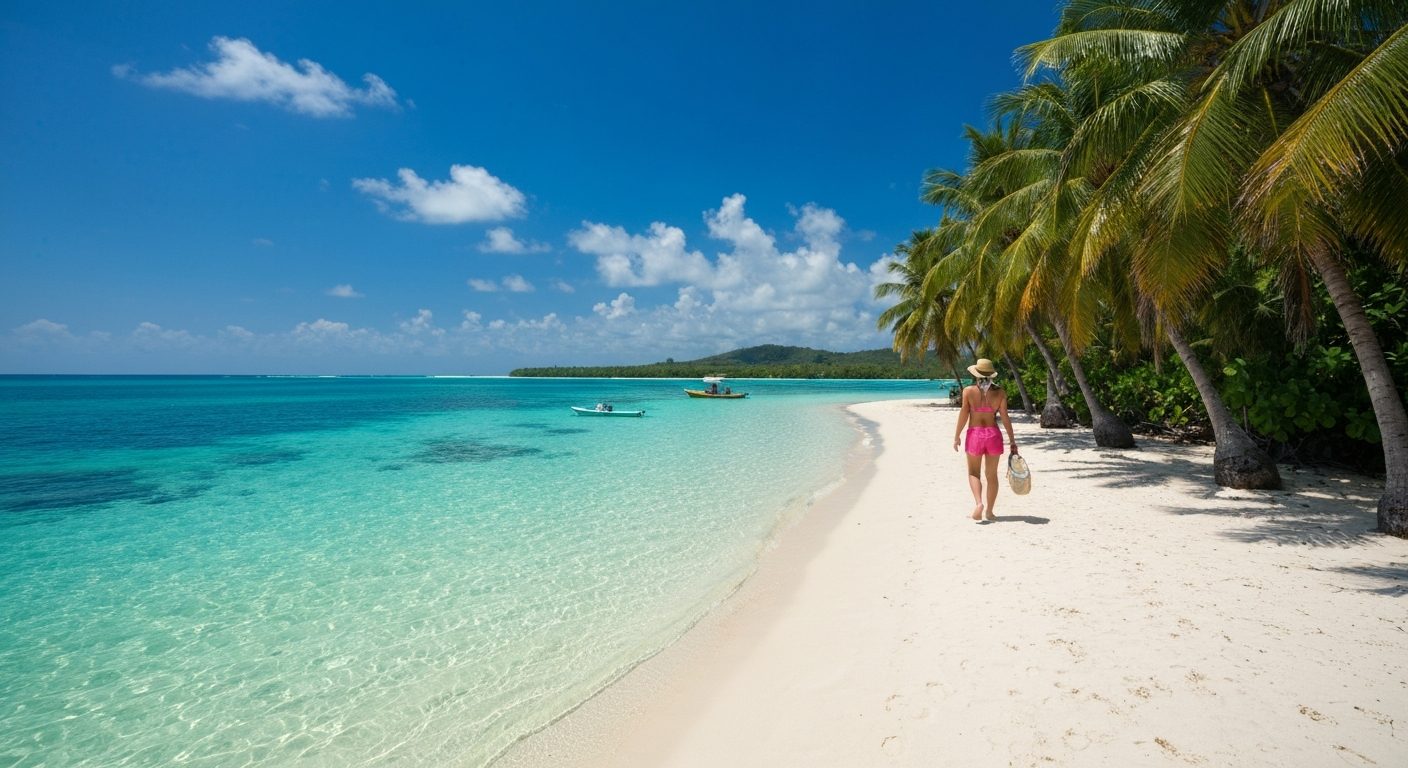
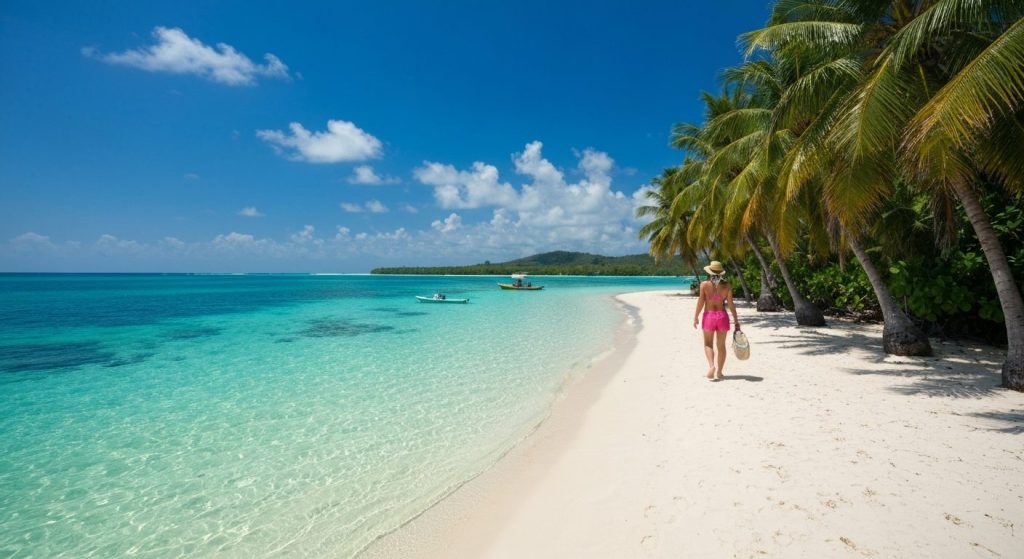
The best time for corporate events in Bali is broadly the dry season — roughly April through October — when outdoor venues carry a lower rain risk, hotel room blocks are easier to contract as a single consecutive period, and team-building programs in open terrain are not subject to the same backup-plan pressure as in the wet months. That said, dry season is also Bali’s most competitive window for venue and accommodation inventory: availability and pricing can tighten materially in high-demand periods, particularly June to August, and planners who arrive at the venue conversation with flexible dates consistently secure better terms than those who do not. This bali mice season calendar is not about picking a magic month — it is about understanding which operational variables shift across the calendar and building your event design around them.
Bali’s Two Seasons: What They Mean for Event Operations
Bali does not have four seasons. It has two, and they are climatologically well-defined, though the boundaries are not hard walls. Standard climatology — presented here as general knowledge, not from a specific meteorological source — places the dry season roughly between April and October, and the wet season roughly between November and March. Every experienced planner in Bali designs around this calendar, and so should you.
A note on what Bali is not: Bali is not typhoon-prone. The typhoon belt runs north of the equator; Bali sits south of it. Cyclone risk is negligible. The weather risk for outdoor events is tropical rain — short, heavy downpours, particularly in the wet season — and occasional strong wind at exposed clifftop or coastal venues. Planning for typhoons or cyclones is not a Bali consideration. Planners arriving from markets where typhoon clauses are standard should recalibrate their force-majeure assumptions accordingly.
Dry Season Events: April to October
April and May offer a strong operational window. The heavy rains of January and February have largely cleared. Peak-season crowds have not yet arrived in force. Hotel room-block availability is typically reasonable, and venue buyouts at premium beach clubs and cliff-edge spaces can still be negotiated without the compressed lead times that June brings. Bali dry season events in April and May carry lower inventory pressure than any other month in the dry window.
June, July and August are Bali’s peak period. Leisure tourism at its highest, school holidays across the major source markets, and the intersection with the global incentive-travel calendar all land in the same window. The Nusa Dua resort belt, which houses Bali’s densest concentration of large-venue and room-block capacity, fills quickly. Buyout inquiries for premium beach-club and cliff venues in July and August need to arrive at least six months out — ideally more for large groups. That is not a negotiating tactic from venue sales teams; it is a reflection of genuine compression in available inventory. If your event dates are set rather than flexible, begin the venue conversation before your internal approval process is complete, not after.
September and October extend the dry season and represent an underutilised window for MICE planners. Weather conditions remain broadly favourable. Conference-season bookings from June to August have cleared. Room-block rates ease. A group that can move its dates to September or October from the peak-summer window will typically find more negotiating room on both venue terms and accommodation rates. The tradeoff is modest: a late-October event in Bali carries somewhat more rain risk than one in July, and a backup plan for outdoor segments is prudent.
Wet Season Events: November to March
The wet season is not a planning prohibition. Bali’s wet season looks nothing like monsoon conditions in parts of Southeast Asia where outdoor operations genuinely stop. Rainfall in Bali’s wet months tends to be heavy and concentrated rather than continuous — an afternoon downpour that passes, rather than a persistent grey ceiling. Indoor conferences, hotel ballroom galas, and fully tented outdoor events run through the wet season without significant disruption when they are planned correctly.
What the wet season does change is the risk calculation for exposed outdoor formats. A beach gala with no cover contingency, or a team-building day on open terrain scheduled in January without a credible indoor alternative, is a plan built on optimism rather than logistics. Every outdoor event segment in the wet season must have a contractually committed fallback — a tented area that is actually erected, an indoor space that is confirmed, not notional. The backup plan needs its own load-in window, its own AV setup, and its own F&B logistics. Wet-season outdoor event planning is not harder than dry-season; it is just more explicit about contingency.
Wet season carries a practical advantage: inventory availability tends to be higher and rate pressure tends to ease. Planners with the flexibility to consider November, December, or the first quarter should factor this in. A wet-season event that is well-designed operationally — strong indoor fallbacks, tented outdoor, compressed outdoor exposure windows in the programme — can deliver the same delegate experience as a dry-season event at more favourable terms on venue and rooms.
The One Hard Constraint: Nyepi, the Balinese Day of Silence
Nyepi is the single most important date-specific constraint in Bali event planning, and it is the one that catches planners who do not know Bali’s religious calendar. Nyepi is the Balinese Hindu Day of Silence — a day of stillness, fasting, and self-reflection during which the entire island shuts down. Not metaphorically. Literally.
For nyepi event planning bali, the operational reality is stark: for approximately 24 hours, no movement is permitted on Bali’s roads, no lights are to be shown, no noise made. Hotels and resorts contain their guests within the property. Bali’s Ngurah Rai International Airport is closed to all commercial flights for the duration. Arrivals and departures are suspended. Delegates who have not already landed cannot land. Delegates who need to leave cannot leave. There are no exceptions for corporate groups.
The date of Nyepi shifts annually. It is determined by the Saka lunar calendar, which means it does not fall on the same Gregorian calendar date each year. It typically lands somewhere in March, but the precise date varies. For any corporate event planned in or around March — and for any program where delegates need to transit Bali in the March window — the Nyepi date for the specific year must be verified through an authoritative Balinese calendar source or confirmed with a local partner before any flight, hotel, or venue is contracted. This is not a precaution; it is a non-negotiable planning step.
The night before Nyepi — Ngrupuk — involves the Ogoh-Ogoh parade, a significant cultural procession across Bali’s streets. Roads in many areas are blocked or heavily disrupted. If your delegates are arriving the evening before Nyepi and need to transfer from the airport to Nusa Dua or Ubud, ground transport can be significantly delayed or rerouted. Build extra time into that transfer day.
The simplest planner’s rule: treat the Nyepi date and the 48 hours on either side of it as a no-event, no-movement window and design your program calendar accordingly. If your target dates fall anywhere in February through April, verify the Nyepi date before committing to anything.
How Demand Peaks Shape the Bali MICE Season Calendar
Bali’s peak-season pressure is not uniform across venue types and procurement categories. Different elements of your event budget tighten at different points in the calendar, and understanding which ones gives you more control over timing decisions.
Room Blocks and Resort Accommodation
Large room blocks — 50 rooms and above — in Nusa Dua’s major resort properties are the earliest-tightening inventory category. The Nusa Dua precinct is where most large-scale MICE programs anchor their accommodation, because it places delegates within close transfer distance of the Bali Nusa Dua Convention Center and the resort belt’s own conference and banquet facilities. In the June-to-August window, this precinct operates with very limited unsold room-block inventory by the time a buyer without a confirmed agreement comes into the market. If you are planning a program for 100-plus delegates in this precinct during peak season, a room-block agreement — with attrition clause terms you have reviewed — needs to be in place many months before the event.
Smaller boutique properties in Ubud, Seminyak, and Canggu carry different inventory dynamics. Ubud properties are rarely the primary accommodation base for large conferences, but for incentive programs with smaller groups they offer a genuinely different delegate experience and are not subject to the same Nusa Dua peak compression. The tradeoff is transfer time to any convention-scale venue.
Venue Buyouts and Premium Beachfront
Premium beach clubs and cliff venues with event-capable outdoor spaces — the category that makes Bali genuinely distinctive as a MICE destination — operate on a capacity that is both limited and highly sought. The number of venues that can credibly host a full-evening incentive buyout for a group of 150 to 400 delegates, with the right outdoor setting, the right end-time flexibility, and a production infrastructure that handles a corporate brief, is smaller than the market suggests. When those venues have two or three July Saturdays already committed to groups that moved faster, the calendar closes.
This is not a pitch for urgency. It is an accurate description of how inventory depletes in a concentrated high-demand market. The buyer-side implication is to decouple venue inquiry from delegate invitation: contact venues, establish availability, and secure options before finalising your program calendar and sending invitations. Sending invitations first and then discovering your preferred venue is booked is a sequencing error that can cascade into significant program design changes.
Conference Season Clashes
Bali sits at the intersection of several conference calendar patterns. International association meetings scheduled in Southeast Asia during the dry season frequently target Bali — ICCA’s 2023 data places Bali around 10th in the Asia-Pacific city ranking for international association meetings, which reflects a real level of conference traffic that competes for the same plenary-plus-room-block packages as corporate buyers. When a mid-size international association meeting occupies a Nusa Dua convention-hotel’s primary ballroom and 200 room nights for a week in July, the ripple effect on adjacent inventory is real.
Checking for large-format competing events in your preferred window is worth the effort. A local DMC partner will typically have visibility into what is contracted in the major venues for the period you are considering — information that is not publicly available but that shapes the venue and accommodation market you are entering.
Outdoor Events, Beach Galas and Team-Building: Season-Specific Planning
- Outdoor galas and beach events
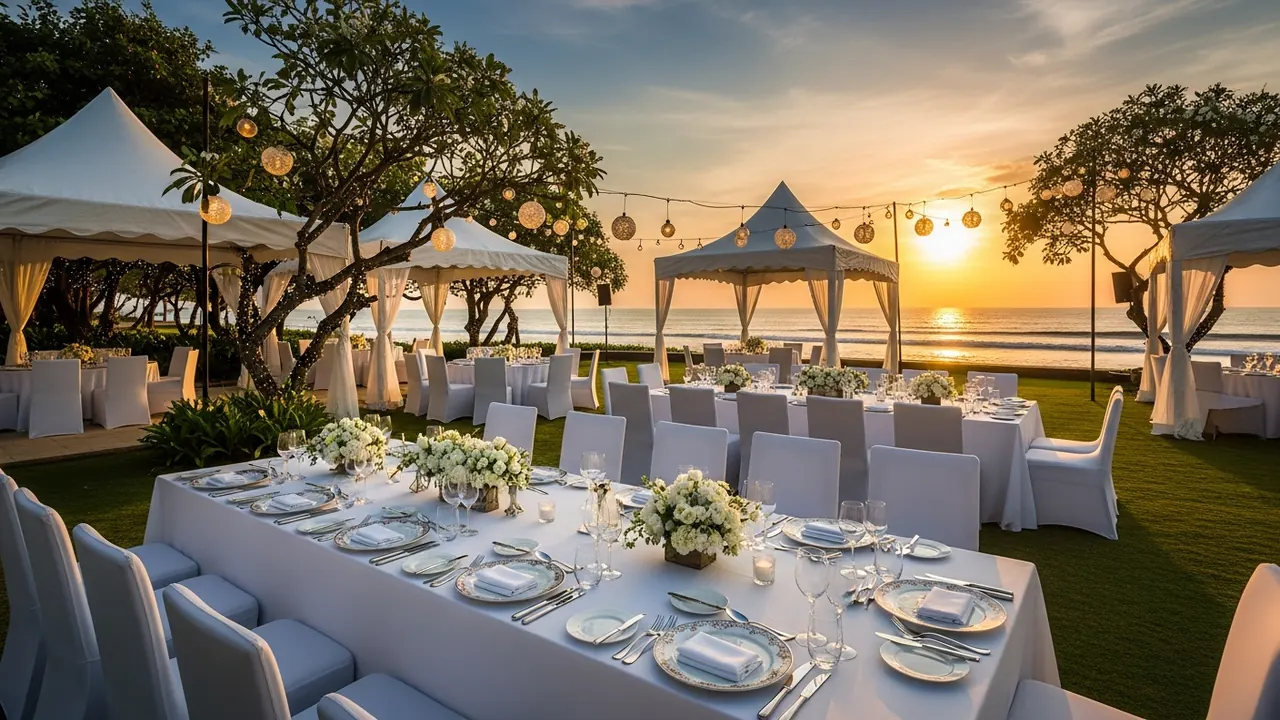
- Dry season (April–October) is operationally preferred. Rain risk is lower but not zero — a late-afternoon dry-season shower in Uluwatu is possible. Even in the dry season, a contracted tented fallback or indoor alternative is good practice for a full-evening outdoor gala. In the wet season, an outdoor gala without a roof or a committed tented alternative is a programme risk rather than a programme.
- Beach club and cliff-venue buyouts
- Peak demand in June to August tightens both availability and the leverage you have in buyout negotiations. April–May and September are the more favourable windows for securing premium outdoor venues at better terms. If the venue is the centrepiece of the experience — the reason for the location choice — prioritise venue contracting before any other decision in the program.
- Team-building in open terrain
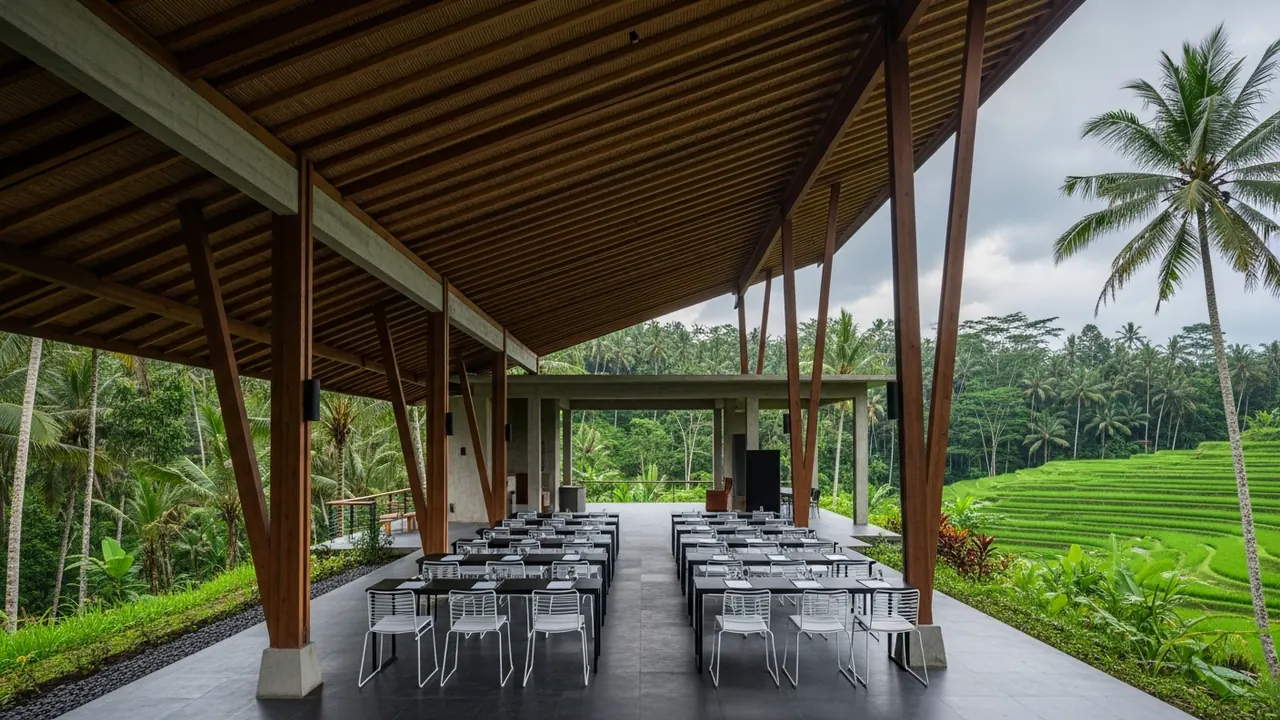
- Programs involving outdoor physical activity — cycling, rafting, trekking, challenge games — are more weather-sensitive in the wet season. A well-designed wet-season team-building day will have an indoor alternative ready, not just noted in a briefing document but actually set up and resourced. Dry season carries less operational complexity for outdoor activity programs, though morning heat in July and August should be factored into scheduling — early starts are standard practice.
- Cultural workshops and culinary programs
- These are largely season-neutral, typically operated in covered pavilions, hotel kitchens, or indoor cultural facilities. They are the most straightforward team-building format to run across both seasons and are a good anchor activity for wet-season programs that need reliable execution.
- Conference sessions and plenary formats
- Indoor conferences run year-round without meaningful season sensitivity. The season variable for conference formats is almost entirely about room-block availability and the outdoor components — gala dinner, off-site excursion, closing reception — that surround the main program.
Planning your Bali MICE calendar and want a season-specific brief reviewed by a vetted local partner? Reach us at our enquiry form or on WhatsApp — we will route your inquiry with the full seasonal context attached.
Practical Booking Lead Times by Season
| Window | Season pressure | Room-block lead time | Premium venue buyout lead time | Key constraint to check |
|---|---|---|---|---|
| January – February | Wet season, low MICE demand | 2–4 months typically adequate | 2–3 months for most venues | Outdoor fallback plan essential; Nyepi date if near March |
| March | Wet season; Nyepi risk window | 2–4 months, but Nyepi date must be confirmed first | Confirm Nyepi before any contracting | Nyepi date verification is mandatory before any booking |
| April – May | Early dry, transitional demand | 3–5 months for large groups | 3–4 months for premium outdoor venues | Late-wet weather possible in early April; good value window |
| June – August | Peak season | 6–9 months for large Nusa Dua room blocks | 6+ months for premium beach/cliff buyouts | Conference-season clashes; inventory depletes early |
| September – October | Late dry, easing demand | 3–5 months | 3–4 months | Late October carries elevated rain risk; backup for outdoor |
| November – December | Wet season onset | 2–3 months typically adequate | 2–3 months | Outdoor events need committed fallbacks; end-of-year corporate demand |
Lead times in this table are planning guidance based on general market patterns, not guaranteed standards. Actual availability depends on group size, specific venues, and what is already contracted. Verify with a local partner against your specific brief.
Regency-Specific Logistics: Not All of Bali Operates the Same Way
Bali is not a single regulatory environment. The island is divided into regencies — Badung, Denpasar, Gianyar, and others — each of which has its own local administration. Most of the major MICE venues are in Badung (which covers Nusa Dua, Kuta, Seminyak, Canggu, and Uluwatu) or Denpasar. But the practical implication for event operations is that curfew enforcement, noise permit thresholds, and outdoor-event permit requirements can vary by location even within what looks like a contiguous tourism belt.
Load-in curfews, end-of-evening sound cut-off times, and the level of police or banjar (village council) permit required for a large outdoor event are not standardised across regencies. A venue in one part of Nusa Dua may have a hard 11 pm sound cut-off under its existing permit; a property two kilometres away in a different administrative area may have more flexibility — or less. These details live in venue contracts and in the local operational knowledge of a DMC, not in a guide that cannot know the specific permit status of every venue at the time of your event.
The practical implication: when you are evaluating a venue for an outdoor or evening event, ask specifically about the end-time that is contractually guaranteed, not the end-time that the sales team believes is achievable. And if your program depends on a 1 am finish or an outdoor sound system running past midnight, confirm the permit pathway before signing — not after.
For a detailed overview of the permit landscape, see our permits and delegate visas page. For venue selection by type and location, the Bali MICE venues guide covers the precinct-by-precinct breakdown. The full cost implications of seasonal demand variation are in the MICE cost guide.
Working With a Vetted Partner on Seasonal Planning
Bali DMC Agency is an independent editorial guide. We do not operate events, source venues, or manage room blocks ourselves. When you are ready to move from planning to execution, we introduce you to one vetted, accredited local partner and we disclose that relationship openly. No one can pay to change what we publish; if you use our free guidance and proceed with a partner, they may pay us a referral fee at no extra cost to you.
To discuss your target dates, get a realistic read on seasonal availability for your group size and format, and be introduced to the right partner: reach us on WhatsApp at +62 811 2859 0000, by email at [email protected], or through our enquiry form. Include your approximate headcount, event type, and target season — and we will route your brief with the seasonal context that makes the partner conversation more productive from the first call.
Everything on this page is general information, not legal, financial, meteorological, or professional event advice. Seasonal patterns described here follow standard climatological conventions; actual weather conditions vary by year and location. Nyepi dates shift annually — verify the exact date for your target year through authoritative Balinese calendar sources or a licensed local partner before making any flight or venue booking. Permit requirements and curfew rules change — verify current requirements with primary sources before committing budget.
Frequently Asked Questions
What is the best month for a corporate event in Bali?
April, May, and September tend to offer the best balance for most corporate programs: dry-season conditions with lower inventory pressure than the June-to-August peak. Groups that can place events in these months typically find more negotiating room on venue terms, room-block rates, and premium outdoor space availability. June to August offers reliable weather but requires the longest lead times and the most proactive inventory management. The worst months for outdoor events without robust contingency plans are December through February, when wet-season rain risk is highest.
What is Nyepi and how does it affect corporate event planning in Bali?
Nyepi is the Balinese Hindu Day of Silence — an island-wide observance during which movement, noise, and lights are prohibited for approximately 24 hours. Bali’s Ngurah Rai International Airport is closed to all commercial flights for the duration. The exact date shifts annually based on the Saka lunar calendar and typically falls somewhere in March, but must be verified for the specific year of your event. Any program with dates in or near the March window, or with delegates transiting through Bali in that period, must confirm the Nyepi date before contracting flights, hotels, or venues. It is a non-negotiable constraint, not a planning preference.
Is Bali safe from typhoons for outdoor events?
Yes. Bali sits south of the equator and is not in the typhoon belt. Typhoons are not a planning risk for Bali events. The relevant weather risk for outdoor events is tropical rain — typically short, heavy downpours rather than sustained storm systems — particularly in the wet season from roughly November to March. Planners accustomed to adding typhoon clauses to Southeast Asian event contracts should note that Bali operates under different meteorological conditions; standard wet-weather contingency planning, not typhoon protocols, is the appropriate framework.
How far in advance should I book venues and rooms for a peak-season Bali event?
For large groups — 100 delegates or more — targeting the June-to-August peak window, room-block agreements with major Nusa Dua resort properties should ideally be in place six to nine months in advance. Premium beach club and cliff venue buyouts in this window can be committed even earlier for sought-after dates. For events in the shoulder periods of April-May or September-October, three to five months is a more typical lead time for large groups, though earlier is always better. For wet-season events, lead times are generally shorter due to lower competing demand, but operational planning for outdoor contingencies should begin as early as any other season.
Do wet-season events in Bali work for corporate groups?
Yes, with the right design. Wet-season rain in Bali is typically concentrated rather than continuous — heavy showers that pass rather than persistent grey weather. Indoor conferences, hotel ballroom galas, and tented outdoor formats run through the wet season without significant disruption when the program is planned correctly, with committed fallback spaces rather than notional ones. The main adjustments are: outdoor activity segments need real indoor alternatives that are confirmed and resourced; outdoor evening events need a tented structure or indoor backup that is actually erected; and the program schedule should compress outdoor exposure into windows when rain risk is lower. In return, wet-season events typically have better inventory availability and can secure more favourable terms on venues and room blocks.