How to use this page: Bali DMC Agency is an independent buyer’s guide to Bali MICE — we are not a DMC, PCO, venue, or transport operator ourselves. A DMC manages on-the-ground logistics, venues, and transport; it is not the venue or the conference organiser. Capacities, group sizes, and budgets shown are indicative ranges flagged [VERIFY] (mid-2026) and must be confirmed in writing with the relevant supplier, venue, or broker before you commit — this is general information, not legal, tax, or procurement advice; confirm delegate visas and event permits with the appropriate authority or your notary as relevant. We may earn a referral commission when we connect you to a vetted partner, which never changes the price you are quoted.
Bali MICE services is the collective label for the full range of business-event programs run in Bali: Meetings, Incentives, Conferences (sometimes Conventions), and Exhibitions (sometimes Events). The acronym expands differently depending on which industry body or market you are reading, and the broader terms business events and meetings industry are gaining traction as more neutral alternatives — but MICE remains the dominant shorthand across Asia-Pacific procurement briefs, RFP templates and hotel contracts, so it is the term this guide uses.
This page is the pillar hub for every service type on this site. If you are a procurement lead, an executive assistant, an HR or sales manager tasked with building an incentive program, or an overseas agency briefing a local partner, the sections below will tell you what each service involves, who in your organisation typically owns it, and which supplier type — DMC, PCO or event organizer — is the natural lead. From here you can navigate to each dedicated child page for a deeper planning guide. None of what follows is legal, financial, tax or immigration advice; it is general information designed to help you ask better questions before you brief a supplier.
What MICE Actually Covers
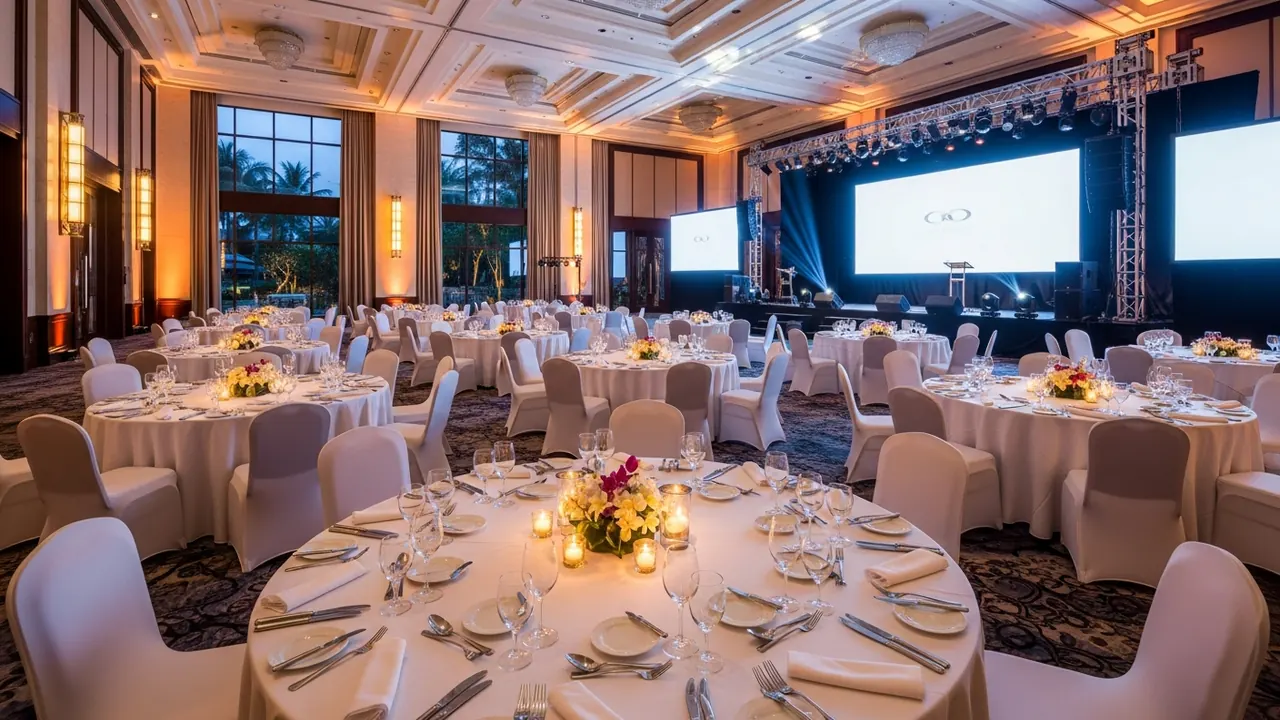
The four letters are not watertight categories. In practice they blur, stack and overlap depending on program design. A sales incentive trip might include a half-day conference session. A corporate conference might close with a gala dinner that functions as a team-building experience. An exhibition might run alongside a product launch. Understanding what each letter conventionally means, and where your event sits, is the first step to choosing the right supplier mix.
M — Meetings
In industry usage, meetings are smaller-format, purpose-driven gatherings: board sessions, sales kick-offs, leadership off-sites, strategy retreats, training days. Headcount is typically modest — a boardroom of 10 to a company-wide all-hands of a few hundred — and the primary need is reliable AV, clean logistics and a venue that does not distract. In Bali, a hotel boardroom, a villa meeting room or a resort breakout space covers most corporate meetings. The DMC’s role here is often ground support: transfers, accommodation coordination and a dinner venue, rather than full-program design.
I — Incentives
Incentive travel is the most experience-intensive segment and the one where Bali’s destination proposition is strongest. A qualified group — typically top sales performers, dealer networks, channel partners or senior leaders — earns a fully hosted trip as a reward and recognition mechanism. The buyer-side owner is usually the sales director, HR business partner or whoever manages the incentive scheme. The DMC is the natural lead supplier: it designs the ground experience (arrivals, cultural excursions, off-site dinners, team activities, gala) and coordinates all moving parts in-destination. A PCO is not typically involved unless the incentive includes a substantial conference element.
Bali’s honest incentive proposition rests on experience density: cultural richness, wellness programming, team activities and spectacular event venues all available in one compact island. That concentration is a real advantage for buyers who need a motivating program without flying a group to multiple destinations. The constraint, equally real, is that availability and pricing for premium venues, beach-club buyouts and quality room blocks can tighten materially during high-demand periods. Peak-season planning — roughly May through September and over the year-end holidays — requires earlier lead times and a contingency mindset. See our dedicated Bali Incentive Travel Programs guide for program design detail.
C — Conferences and Conventions
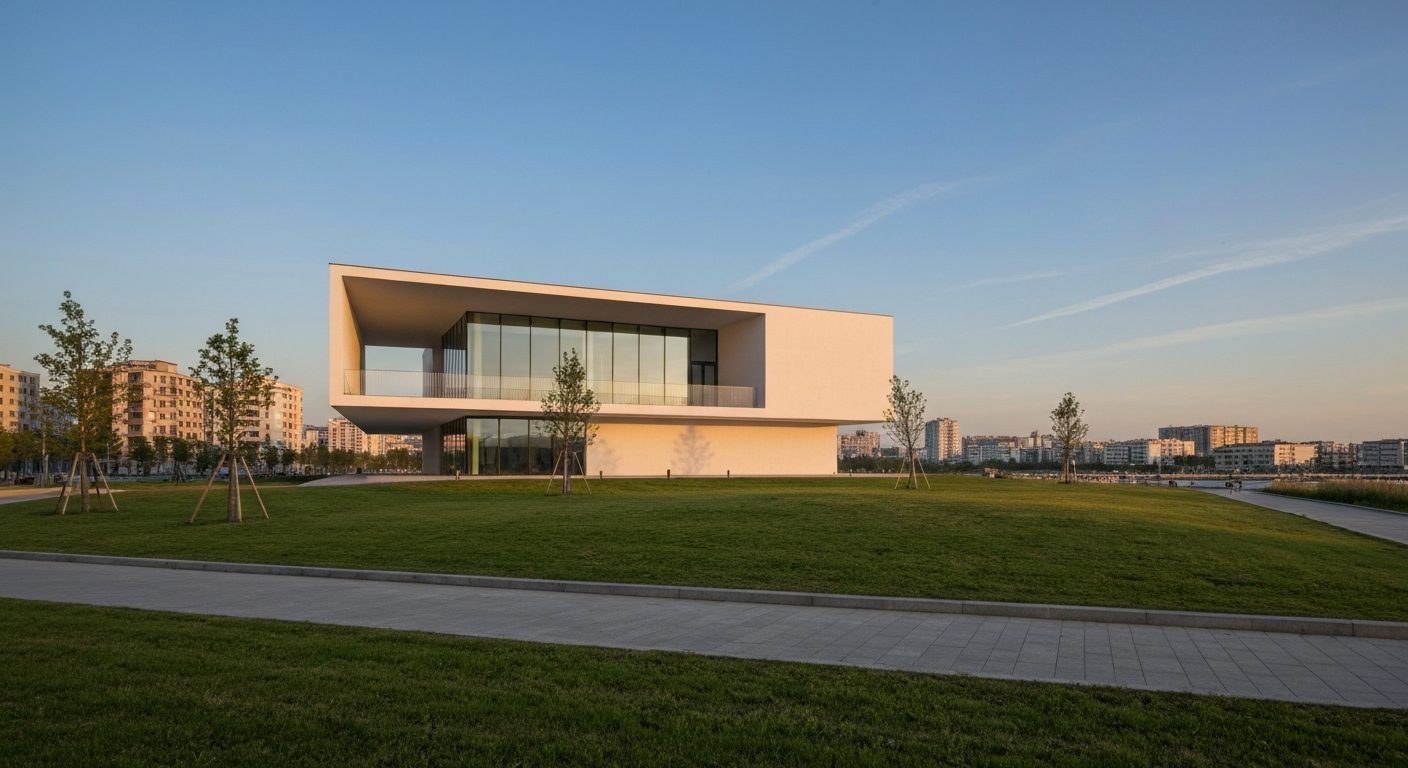
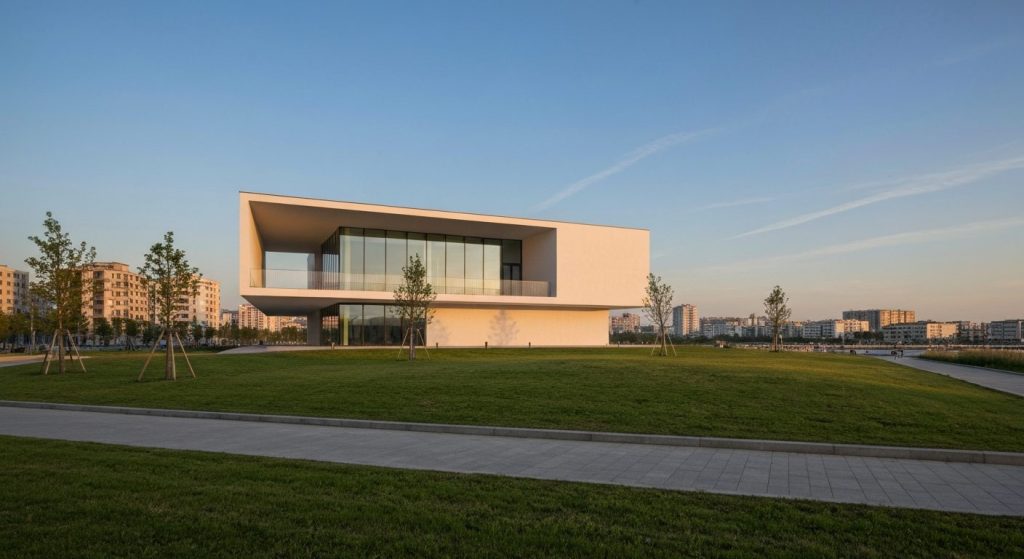
Conferences and conventions are the segment that demands the most from a destination’s infrastructure: plenary halls large enough for the full delegate count, adjacent breakout rooms, reliable registration and delegate services, sponsor or exhibition space, and an on-site room block large enough that delegates do not scatter across the island. This is where Bali’s largest dedicated facility matters.
The Bali Nusa Dua Convention Center (BNDCC), located in the Nusa Dua precinct, is the island’s primary purpose-built convention asset. Its largest hall — the Nusa Dua Hall — is pillarless and has a venue-issued theatre-style capacity of 5,000 delegates, covering 4,400 square metres. The complex includes what industry listings describe as 44 multi-flexible function rooms, though that figure comes from industry sources rather than a headline on BNDCC’s own fact sheet and should be confirmed directly. Total function space in square metres is not available as a single authoritative figure and is not published here. Nusa Dua hosted the G20 Leaders’ Summit in November 2022 and the IMF–World Bank Annual Meetings in October 2018 — both verified proof points of the precinct’s large-event logistics capability, though room-by-room allocations for those events are not publicly documented.
The Bali International Convention Center (BICC) at the Westin Nusa Dua is a separate and distinct facility. It was built for the 1992 Non-Aligned Movement Summit and operates independently of BNDCC. Buyers planning large conferences should treat BNDCC and BICC as complementary assets in the same precinct, not as the same venue.
The buyer-side owner of a conference is typically an events or meetings manager, EA to a division head, or a marketing director for externally-facing events. The supplier question — PCO or DMC as lead? — depends on the scope. A PCO (Professional Conference Organizer) manages end-to-end conference delivery: strategy, budgeting, registration systems, abstract and scientific programs where relevant, sponsorship and exhibition sales, delegate services, and the full financial reconciliation. A PCO works across destinations and will typically subcontract local execution to a Bali DMC. A DMC alone is suited to the ground program: venue sourcing, transfers, off-site dinners, team activities. If your conference needs delegate registration, abstract management or sponsor relations, engage a PCO first. If you only need local logistics support for a conference managed centrally by your own team, a DMC is the right starting point. These distinctions are industry convention, not legal definitions.
Read the dedicated Corporate Conferences and Conventions guide for infrastructure detail, venue selection criteria and pre-RFP checklist.
E — Exhibitions and Events
The E in MICE covers both trade exhibitions and the broader category of corporate events: product launches, roadshows, brand activations, award ceremonies and gala dinners. In practice, exhibitions in the trade-show sense are less common in Bali than in pure-convention hubs like Singapore or Kuala Lumpur, where convention center calendars are built around major trade events with international exhibitors. Bali’s strength in the E category is the corporate event end: spectacular settings for product launches and award nights, a wide range of team-building programs, and gala-dinner venues that are difficult to replicate in a city convention center.
The buyer-side owner shifts depending on the event type. A product launch is typically owned by marketing or brand. A gala dinner flows from the events team or a senior EA. A CSR community project sits with HR or the corporate responsibility function. Knowing who owns the brief internally matters because it affects budget authority, approval chains and the brief’s primary success metric — which a good DMC will ask about in the first scoping call.
Dedicated guides: Gala Dinners and Themed Events | Product Launches and Roadshows | Sustainable and CSR Events
The Supplier Map: DMC, PCO and Event Organizer
Corporate buyers frequently receive competing bids from vendors who all call themselves something different — DMC, full-service event agency, PCO, MICE operator, destination specialist. The labels are not regulated. Any company can use any of them. What matters for procurement is understanding what each type conventionally does, where their expertise concentrates, and which gaps you need to fill with a second supplier.
- DMC — Destination Management Company
- A local ground-handling specialist operating in one destination. Core competencies are supplier relationships (venues, transport, catering, entertainment, activity providers), on-the-ground staffing and logistics, and local knowledge that a PCO based in another country cannot replicate. A DMC earns margin through supplier relationships and a management or coordination fee. In Bali, a good DMC is the essential operational layer for any incentive program and the right ground-partner for a PCO managing a large conference. The DMC does not typically manage delegate registration systems, abstract programmes or international sponsorship sales.
- PCO — Professional Conference Organizer
- An end-to-end conference management company that can work across destinations. Manages strategy, budgeting, registration and delegate services, scientific or content programs, marketing, sponsorship and exhibition sales, and post-event financial reconciliation. Often operates across multiple countries in a single year. PCOs commonly subcontract local execution to a DMC and are transparent about this. Engaging a PCO makes sense for international association conferences, large annual congresses and any event where delegate registration and content management are as complex as the ground logistics.
- Event Organizer / Event Management Company
- A production and creative agency. Strongest in staging, AV design, branded experience, décor, talent and the creative concept. Not necessarily destination-tied and not typically set up to manage group travel logistics, room blocks or transfers unless they are explicitly full-service. For a product launch or gala where the creative execution is the primary deliverable, an EO is often the right lead — with a DMC handling the logistics layer underneath.
Again: these distinctions are industry convention, not legal definitions. Many vendors blend roles or expand their scope depending on the project. The practical test is to ask any prospective supplier to itemize exactly which elements they execute directly and which they subcontract — then check that the subcontractor relationships are transparent in their quote.
Who in Your Organisation Owns Each MICE Type
| MICE segment | Typical internal owner | Primary success metric | Natural lead supplier |
|---|---|---|---|
| Incentive travel | Sales director, HR / Rewards | Motivational impact, retention proxy | DMC |
| Corporate conference | Events manager, EA, Marketing | Delegate satisfaction, program delivery | PCO (with DMC for ground) |
| Team-building | HR, People & Culture, L&D | Engagement, cohesion, debrief outcomes | DMC |
| Gala dinner / awards | Events team, EA, Marketing | Brand impression, delegate experience | EO + DMC logistics |
| Product launch | Marketing, Brand | Media coverage, brand recall | EO + DMC logistics |
| CSR / sustainable event | HR, Corporate Responsibility | Measurable community impact, engagement | DMC (specialist programs) |
| Exhibition | Marketing, Sales | Lead generation, brand exposure | PCO / EO (with venue) |
The table above reflects common practice in corporate event markets, not a universal rule. Organisation structures vary; in smaller companies a single EA may own every category. The point is that identifying the internal budget holder and success metric before briefing a supplier shapes the quality of the conversation — a DMC asked to quote without knowing whether the primary goal is motivation or brand exposure will produce a less useful proposal.
Bali MICE Services in Practice: What the Ground Program Looks Like
Most buyers asking about bali mice services want to understand what is actually deliverable on the ground, not just a taxonomy. The components that make up a Bali MICE program are well-established:
Transfers and Airport Logistics
Group transfers from Ngurah Rai International Airport (DPS) are typically the first and last touchpoint of a delegate experience. The airport handled around 24 million passengers in 2024 — essentially at its stated capacity — which means arrivals queues and baggage carousels can be congested on busy days. The Nusa Dua precinct (home to BNDCC and many of the larger conference hotels) sits roughly 12 to 15 kilometres from the airport terminal, with a journey time of around 20 to 30 minutes via the Bali Mandara Toll road under normal conditions. Those are mapping-derived approximations; actual journey times vary with traffic, time of day and the number of coaches in a convoy. Peak periods extend them materially.
Venue and Accommodation Cluster
The most operationally efficient configurations keep the plenary, breakout, F&B and room block within walking distance or a short shuttle ride. Nusa Dua offers the highest density of large-conference hotels near BNDCC. Other precincts — Ubud (cultural immersion, cooler temperatures), Seminyak/Canggu (lifestyle and beach-club access), Uluwatu and Jimbaran (cliff and oceanfront settings) — offer different aesthetic propositions with longer transfer times from the airport and from BNDCC. Choosing between them is a trade-off between logistics efficiency and the experience the program is trying to create.
Off-Site and Experience Programming
Bali’s incentive appeal rests heavily on the range of off-site programming within a short transfer radius: cultural and culinary workshops, temple visits with protocol briefings, rice-terrace trekking, white-water rafting, surf lessons, traditional arts experiences, spa and wellness half-days, and community CSR projects. These are frequently offered by Bali DMCs and illustrate the destination’s experience density. Scope and quality vary by operator; treat any specific itinerary as an illustrative example to be customised, not a fixed deliverable. Pricing for activities is by quote and varies significantly by group size, location, duration and production requirements.
Gala Dinners and Closing Events
The standout gala-dinner venues in Bali are a legitimate competitive advantage over more conventional city-conference destinations. Garuda Wisnu Kencana (GWK) Cultural Park, on the Bukit Peninsula roughly 10 to 15 minutes from the airport, offers the Lotus Pond as an outdoor event plaza with a conventional capacity cited across multiple sources at up to 7,000 delegates — though the 4,400 square metre area figure for the Lotus Pond comes from a single source and should be confirmed with the venue directly. The GWK statue, at approximately 121 metres completed, provides a visual backdrop that no city ballroom can replicate. Beach-club and cliff-top venues in the Uluwatu and Seminyak corridors are also used for galas; capacities for those venues are not published from independently verifiable neutral sources, so this guide describes them by type and use rather than giving headcount figures that cannot be substantiated. Hard curfew enforcement, amplified-sound limits and load-in windows are real operational constraints at most outdoor venues and must be addressed in the RFP.
Team-Building Programs
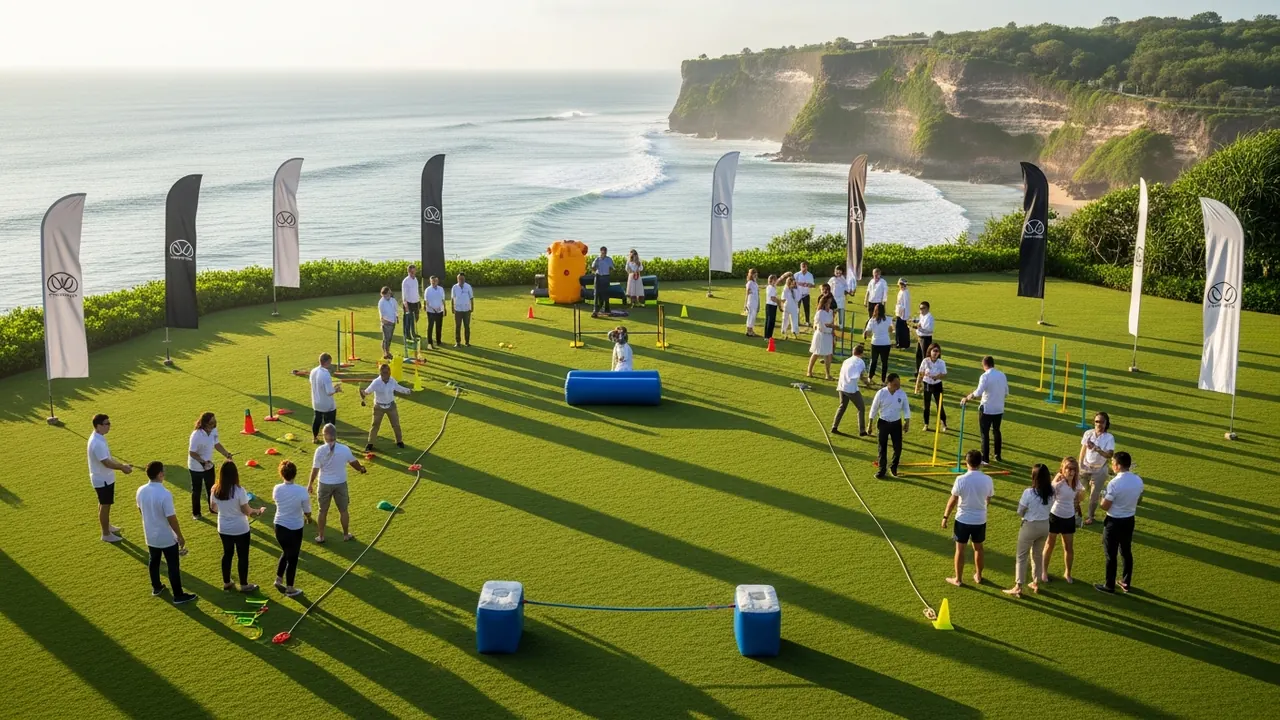
Team-building sits across the I and E of MICE and is frequently embedded in both incentive programs and conferences as a half-day module. Common Bali offerings include cooking classes, batik and Balinese dance workshops, beach clean-up CSR programs, challenge-based competitive activities, and group sport sessions. These are common practice across the DMC market in Bali; scope varies by operator and season. Some activities are weather-sensitive — outdoor programs in the wet season (approximately November through March, using standard climatology) benefit from having indoor backup options confirmed in the brief. The dedicated Team-Building Programs guide covers objective-setting and audience-fit considerations in more depth.
How Costs Are Structured (and Why No One Can Give You a Fixed Price)
The most common buyer frustration in bali mice planning is the absence of transparent public pricing. It is not evasion — it is the genuine structure of the market. A MICE program cost is an assembly of independent variables that interact:
- Venue: day-rate or buyout, AV and production package inclusions vs extras, set-up and breakdown windows
- Room block: room category, contracted rate vs rack rate delta, attrition clauses, cut-off dates
- F&B: delegate meals, welcome cocktails, gala dinner per-head spend, beverage inclusions
- Transfers: coach fleet size and duration, VIP vehicles, airport meet-and-greet staffing
- Activities and entertainment: activity type, licensed performer requirements, AV and staging
- DMC management fee: flat fee or percentage of total — ask which model applies and confirm it is itemised in the quote
- Permits and compliance: location permits, police security clearance, noise approvals, environmental plan — costs and lead times vary by regency and event type
- Seasonality: peak periods (approximately May to September and year-end) tighten venue and room-block availability and can affect pricing materially
- Contingency: a prudent budget includes a reserve for production overruns, weather backups and currency movement
All bali business events services costs on this site are presented as by-quote ranges. No fixed package price is published, because any fixed figure we could publish would misrepresent the range of outcomes depending on the variables above. The Bali MICE Cost Guide provides an itemised per-delegate model with typical range benchmarks — flagged as industry estimates to be confirmed with a live supplier quote, not prices the agency charges.
Ready to scope your brief? Share your event type, approximate headcount, target dates and any key requirements via our enquiry form or WhatsApp at +62 811 3942 1463. We will review your brief and route you to a vetted local partner, with full disclosure of that referral relationship.
How Bali DMC Agency Helps at the Services Layer
Bali DMC Agency is not a DMC, PCO, venue or event organizer. We do not sell, operate, staff or produce events. That independence is the point: in a search landscape where the first several pages of results are vendor self-promotion, this site exists to give corporate buyers neutral, procurement-grade information before they brief a supplier.
At the services layer, that means helping you understand what each segment involves, who the right supplier type is, how to frame an RFP that gets comparable quotes, and what questions to ask before you sign a contract. When you are ready to execute, we route your qualified brief to one vetted, accredited local partner. If you proceed with that partner, they may pay us a referral fee at no extra cost to you — and we disclose that relationship clearly. Nothing on this site can be changed by any payment; what we publish is editorially independent.
The child service pages below cover each segment in full buyer-side depth. Start with whichever type matches your brief.
Navigate the MICE Services Hub
- Incentive Travel Programs — Program design, reward psychology, qualification criteria, group logistics and Bali’s honest destination pros and constraints.
- Corporate Conferences and Conventions — Infrastructure overview (BNDCC, BICC), PCO vs DMC decision, plenary-plus-breakout scoping and delegate-flow planning.
- Team-Building Programs — Objective-first framework, executive-appropriate options, weather and season considerations, and audience-fit guidance.
- Gala Dinners and Themed Events — Venue types by format, GWK and hotel ballroom options, production layers, curfew realities and F&B structuring.
- Product Launches and Roadshows — Media-event logistics, brand experience design, foreign-talent compliance, customs considerations for imported materials.
- Sustainable and CSR Events — Common Bali CSR formats, greenwash avoidance, sustainability RFP language and permit environmental requirements.
Permits, Visas and Compliance: The Layer Most Vendors Skip
Business-event buyers regularly encounter compliance surprises that a thorough supplier briefing would have surfaced earlier. Meetings incentives conferences exhibitions bali all involve at least one layer of regulatory consideration.
For delegates entering Indonesia, the most common routes are the Visa on Arrival (e-VOA), typically valid for up to 30 days and extendable once, or a single-entry business e-visa (B211A-type), often up to 60 days with a sponsor requirement. Nationality lists, fees and durations change with some regularity and should be verified directly with the Indonesian Directorate General of Immigration before delegates book travel. Passive conference attendance and active speaking or working on Indonesian soil can fall under different visa categories — a legally significant distinction that is case-specific and must not be treated as general guidance.
For the event itself, large or public outdoor events typically require location permits, police security and crowd-management clearance (escalating by event size through local Polsek, Polres or Polda level), noise and environmental clearance, and banjar or village-council consent for events in traditional Balinese community areas. Private, closed-door events held inside a licensed hotel or convention venue are generally managed by the venue or its DMC partner. There is no published numeric threshold of the form “X delegates requires permit Y” — practice varies by regency (Badung, Denpasar, Gianyar each have their own patterns) and event type. A local DMC with established permitting relationships is the most reliable guide through this. Foreign performers, DJs and technical crew require a licensed impresario and work-permit notification; allow at least one month of lead time and confirm requirements with the relevant authority. None of this is legal advice; verify current rules before committing to a program structure. See the full Permits and Delegate Visas guide.
Frequently Asked Questions
What does MICE stand for and why do some sources use different expansions?
MICE stands for Meetings, Incentives, Conferences and Exhibitions — though you will also see the C expanded as Conventions and the E as Events. Neither expansion is wrong; the acronym predates standardization and different industry bodies, hotel chains and markets settled on different conventions. The terms business events and meetings industry are increasingly used as umbrella alternatives because they avoid the ambiguity, but MICE remains the dominant shorthand in Asia-Pacific procurement contexts, so this guide uses it throughout. Whichever term appears in your RFP template, the underlying scope — corporate gatherings that require professional ground management — is the same.
Do I need a DMC, a PCO or an event organizer for my Bali event?
The honest answer depends on your event type and where the complexity concentrates. If your primary challenge is the in-destination ground program — transfers, venue sourcing, off-site activities, accommodation coordination, on-site staffing — a DMC is the natural lead. If you are running a multi-day international conference with delegate registration, abstract or content management and sponsorship sales, you need a PCO first, who will typically subcontract local execution to a DMC. If your event is primarily a branded creative production — a product launch, award night or gala with heavy staging and design — an event organizer may be the creative lead, with a DMC covering logistics. These roles are industry convention, not legal definitions, and vendors often blend them. Ask any supplier to specify exactly what they execute directly and what they subcontract.
How early do I need to start planning a Bali MICE program?
Lead time depends on scale and season. Small meetings with 20 to 50 delegates and no buyout requirements can sometimes be turned around in six to eight weeks, though premium venues and key dates fill faster than that. Incentive programs for 100-plus delegates, conferences using BNDCC or large hotel ballrooms, and any program falling in peak season (approximately May to September or the year-end holiday window) are realistically planned with a minimum of four to six months’ lead time, and twelve months or more for programs requiring a full-hotel buyout or back-to-back large-venue availability. The earlier a qualified brief reaches a DMC, the more options remain open at better terms — particularly for room blocks, which carry attrition risk if contracted late against a tightening market.
Are all bali mice services costs quoted in USD or in IDR?
Both currencies appear in Bali MICE quotes, and the mix varies by supplier and venue. International hotels and convention centres often quote room blocks in USD. Local venues, transport and activity providers typically quote in IDR. A comprehensive program quote may combine both, which introduces currency exposure between the time of contract and the event date. This is a real budget risk worth addressing in the RFP: ask suppliers to specify the invoice currency, the exchange rate applied and whether it is fixed at contract or marked to market at invoice date. IDR-USD movements can shift an all-in delegate cost by several percent over a planning horizon of six to twelve months. This is general information about market practice, not financial advice; currency and contract terms should be reviewed with your own financial and legal advisers.
What makes Bali different from Singapore or Kuala Lumpur for a corporate event?
The honest comparison is that Bali and Singapore serve different ends of the MICE spectrum well. Singapore and Kuala Lumpur are stronger pure-convention hubs: larger venue inventories, better air connectivity from more international gateways, and a city infrastructure built around back-to-back large conferences. Bali’s competitive advantage is in the resort-and-experience layer: a motivating destination backdrop, cultural and wellness programming that is genuinely differentiated, and gala-dinner venues that city convention centers cannot replicate. In ICCA 2023 data (released 2024, sourced via industry publications reproducing the ICCA ranking), Indonesia ranked 37th globally with 98 international association meetings, and Bali ranked around 10th in the Asia-Pacific city ranking — figures to treat as directional benchmarks rather than precise counts given the noted source variation. For incentive programs and experience-led conferences where the destination itself is part of the delegate value proposition, Bali is a strong choice. For a large international association congress where air lift and venue scale are the primary criteria, Singapore or Kuala Lumpur will often win the comparison. A deeper breakdown is in our Bali vs Singapore vs Phuket guide.
Start your Bali MICE brief. Use our enquiry form or reach the team directly on WhatsApp at +62 811 3942 1463 or by email at [email protected]. Share your event type, approximate delegate count, target season and any known constraints. We will scope the brief with you and introduce you to a vetted local partner — with full disclosure of our referral relationship — at no cost to you.
Everything on this page is general information and editorial guidance only. It is not legal, financial, tax, immigration or professional advice. Figures sourced from third parties are flagged where applicable; verify all specifications, capacities, visa requirements and permit obligations directly with primary sources and qualified local counsel before committing budget or travel plans.